

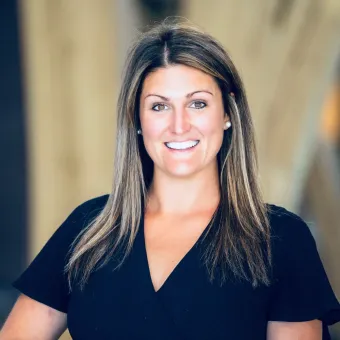
Dr. Miranda Lynne Bevilacqua, RN, BScN, MN, Ph.D., is a registered nurse, educator, and scholar based in Northern Ontario with over a decade of diverse frontline clinical experience. Her nursing practice has spanned cardiology, psychiatry, child and adolescent mental health, long-term care, and forensic nursing, including sexual assault and domestic violence care at Thunder Bay Regional Health Sciences Centre. In addition, she has served as a Mental Health and Addictions Nurse within community-based settings, supporting complex, rural, remote, and vulnerable populations across Northwestern Ontario.
Dr. Bevilacqua holds specialized certifications as a Sexual Assault Nurse Examiner (adult and pediatric) and Elder Abuse Nurse Examiner, reflecting advanced expertise in forensic assessment, trauma documentation, and survivor-centered care. She is also trained as a suicide intervention instructor (SafeTALK and ASIST), further demonstrating her commitment to suicide prevention and crisis response. Her practice expanded during the COVID-19 pandemic through roles as a Telephone Pandemic Support Nurse and Telehealth Mental Health Care Advocate, where she provided crisis-informed virtual care and psychosocial support during a period of heightened community vulnerability.
Her extensive clinical background directly informs her academic scholarship and pedagogy. As a nursing professor and subject matter expert, Dr. Bevilacqua integrates frontline experience into the teaching of psychopharmacology, advanced health assessment, medical-surgical nursing, mental health and addictions, and population health at both undergraduate and graduate levels. Her teaching philosophy is grounded in experiential learning, critical inquiry, and the integration of theory with practice.
Across clinical, academic, and community contexts, Dr. Bevilacqua’s work is anchored in trauma-informed, culturally responsive, and equity-oriented care. Her scholarship reflects a sustained commitment to advocacy, systems-level thinking, and leadership in addressing the needs of marginalized and structurally disadvantaged populations in Northern and rural health settings.