Image for Medical Radiation Technology

Ontario College Advanced Diploma

Medical Radiation Technology

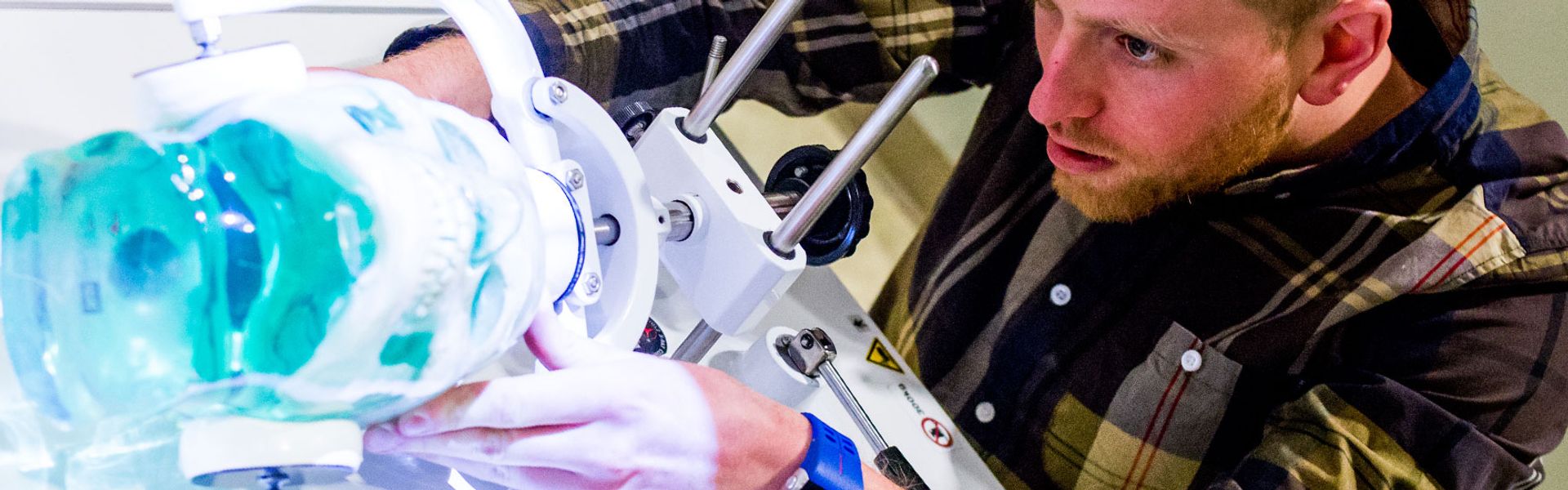
In the Medical Radiation Technology program, you will learn how to operate advanced imaging equipment and manage patient care through hands‑on labs and three clinical rotations to support diagnostic imaging preparation.

CIP Code: 51.0911

Program Start Options

IntakeDurationFormatCampusDomesticInternational
0602
Fall
2.5 years
6 semesters
Full-Time
In-Person
Thunder Bay
Domestic students accepted
International students not accepted

More Than Just X-Rays: Seeing Inside the Human Body

Embark on a highly sought after, cutting-edge healthcare career with Confederation College's 2½-year Medical Radiation Technology Advanced Diploma program. As a Medical Radiation Technologist (MRT), you'll play a crucial role in healthcare, operating sophisticated imaging equipment to aid in diagnosing and treating trauma and disease. This dynamic field combines high-level technology with compassionate patient care, offering a unique and rewarding career path.

Our comprehensive program equips you with the skills to operate x-ray and CT equipment, ensure proper radiation safety, manage patients effectively, and understand human anatomy and pathology. You'll develop critical thinking skills for patient positioning and image quality evaluation, all within a professional environment. With a blend of classroom learning and hands-on clinical experience, you'll be well-prepared to enter this vital healthcare profession.

Top Highlights

  • Campus‑to‑Clinical Progression: Spend three semesters learning in person at the Thunder Bay campus, followed by three semesters of practical hospital experience off campus.
  • Accredited Program: Accredited by Accreditation Canada, ensuring high-quality education.
  • Certification Ready: Graduates are eligible to write the Canadian Association of Medical Radiation Technologists (CAMRT) certification exam.
  • Extensive Clinical Experience: Three semesters of clinical rotations at partner hospitals in such locations as northwestern Ontario, Sault Ste Marie and Windsor.
  • Advanced Skills: Become competent in intravenous (IV) insertion, starting with simulation practice.
  • Personalized Learning: Enjoy small class sizes with individualized attention and evening access to facilities.

Ideal Candidate Profile

  • Tech-Savvy: Comfortable working with advanced medical imaging equipment.
  • Physical Capabilities: Able to lift patients, maneuver heavy equipment, stand for extended periods and monitor fine electronic controls.
  • Detail-Oriented: Meticulous in following protocols and producing high-quality diagnostic images.
  • Compassionate: Skilled at putting patients at ease during procedures.
  • Quick Thinker: Capable of adapting procedures to patient needs and responding to emergencies.
  • Team Player: Able to work as part of a cohesive medical team putting the patient’s best interest first.

Contact Information

Program Files

Get detailed information about program requirements, courses, and student resources.

Confederation College’s MRT program gave me the confidence, hands-on experience, and support I needed to reach my goal of becoming a registered MRT at TBRHSC.

LW
Laura Wilson
Graduate of 2018 – Medical Radiation Technologist, Thunder Bay Regional Health Sciences Centre

Confederation College gave me the education, support, and experience I needed to reach my dream of becoming an MRT—all in an inclusive, motivating environment.

AP
Alessandra Pasqualino
Graduate of 2017 – Medical Radiation Technologist, Thunder Bay Regional Health Sciences Centre

The MRT program at Confederation College was hands-on, challenging, and truly rewarding. I gained lifelong friendships, inspiring mentors, and the skills I need to pursue my dream career.

AK
Arianna Kitching
Graduate of 2019

The MRT program at Confederation College is engaging, hands-on, and supported by incredible instructors and counselors who truly care about your success.

CO
Carramaena Onichuk
Graduate of 2018

Confederation College helped me find a career that suits my energetic, empathetic, and organized personality—and introduced me to lifelong friends and colleagues.

CM
Crystal Mansfield
Graduate of 2003 – Clinical Lead, TBRHSC

Admission Requirements

Fall

Fall (0602)

Admission Requirements for Domestic Students

  1. Ontario Secondary School Diploma (or equivalent) with courses from the College (C), University (U), University/College (U/C), or Open (O) preparation levels with Grade 12 English (C/U) Level.
  2. or successful completion of the Mature Student Assessment!
  3. or successful completion of the Canadian Adult Education Credential (CAEC) or General Education Development Test (GED), prior to May 2024.
  4. or appropriate credits from the Academic and Career Entrance program (ACE).

Other Courses Required

  1. Grade 12 Math (College or University Preparation) &
  2. Grade 11 or 12 Physics (College or University Preparation) &
  3. Grade 11 or 12 Biology OR Chemistry (College or University Preparation)

Minimum final grade of 75% in each required course.

If you are currently enrolled in the course, you must have a midterm and final mark of 75% or higher to qualify for selection/admission.

Admission Requirements for International Students

This intake is not available for international students.

Prerequisites

Additional Requirements for eligibility and scoring:

  1. Download & complete the Medical Radiation Technology — Program Choice Questionnaire(opens in new window) — 25% of scoring
  2. Work Experience/Volunteer Work — 5% of scoring
  3. High School Grades (with minimum 75% in required courses) — 70% of scoring
  4. Two Reference Letters — Letters recommending your personality, integrity, and skills as suitable to a college program. Provided by someone who knows you or has worked with you, such as teacher, coach, employer, co-volunteer, clergy, friend, etc. not usually a family member.

Applications with transcripts received by February 1st and a complete application package submitted by 4:30 pm on Wednesday, February 12th will be considered for a first round offer.

Requirements to be Completed Before Attending Classes

For students accepted into the MRT program, please review Field Placement Requirements to ensure you will be compliant. The Field Placement Requirements are mandatory. If you do not complete the requirements you cannot complete placement and will not graduate.

Alternative Pathways

If you do not possess the necessary admission requirements (or equivalency), we encourage you to consider our Pre-Health Sciences programs which will provide you with the necessary preparation to apply to this program. Completion of the Pre-Health Sciences-programs does not guarantee admission to the Medical Radiation Technology Program in a subsequent year. A minimum 75% mark must be maintained in each semester in the Pre-Health Sciences-programs to meet the admission requirements to the MRT program.

Tuition & Fees

Fees for Domestic StudentsProgram Code: 0602

Year 1
Total: $9,944.00
Fee Breakdown
Academic Fees
Total Tuition Fees:$5,764.00
College Service Fee:$863.00
Health Fee:$305.00
Health Record Fee:$40.00
Bus Fee:$332.00
$7,304.00
Program Fees
College Supplies:$60.00
Record Check, Seminars, Courses, First Aid, Medicals:$80.00
Books & Supplies:$2,500.00
$2,640.00
Year 2
Total: $8,294.00
Fee Breakdown
Academic Fees
Total Tuition Fees:$5,764.00
College Service Fee:$853.00
Health Fee:$305.00
Health Record Fee:$40.00
Bus Fee:$332.00
$7,294.00
Program Fees
Boots / Uniform:$400.00
Record Check, Seminars, Courses, First Aid, Medicals:$350.00
Parking Fee:$250.00
$1,000.00
Year 3
Total: $4,195.50
Fee Breakdown
Academic Fees
Total Tuition Fees:$1,962.00
College Service Fee:$426.50
Health Fee:$305.00
Health Record Fee:$20.00
Bus Fee:$332.00
$3,045.50
Program Fees
Exam Fees, Certifications, Licenses, Apprentice or Business Registration:$1,000.00
Parking Fee:$150.00
$1,150.00
Note

Please note that fees are estimated and are subject to change.

Fees shown on this page are for full-time students attending the main Thunder Bay campus for Fall 2026.

Costing for Regional Campuses & Distance Education Students:

If this program is available at Regional Campuses, or to Distance Education students, see the following links for costing information.

Courses

1 intake

Fall0602

Semester 1

CS 050

College Writing

42 hours

In this course, students will be introduced to academic writing styles with a thematic focus on current issues. This course will help students to express themselves clearly and correctly in written form. Students will critically analyse assigned readings and express their thoughts. The course will also focus on the development of an academic paper utilizing the APA style of documentation.

RA 111

Patient Management

42 hours

Patient Management is a comprehensive overview of methods an MRT will use to manage the patient while in the Diagnostic Imaging Department and other hospital environments. The student will demonstrate skills in communicating and assessing the condition of patients while providing a safe environment as well as performing patient interventions for the patients in their care. Skills acquired in this course will be practiced in Clinical Lab and complement skills acquired in General Radiography. Linked to the current CAMRT competency profile found on www.camrt.ca website.

RA 113

General Radiography I

42 hours

General Radiography I is the first of three courses detailing the positioning of patients and X-ray equipment and use of accessory apparatus in the examination of the patient for general radiographic examinations. The student will demonstrate skills in radiography of the upper limb, shoulder girdle, lower limb, and pelvic girdle. Skills acquired in this course will be practiced in Clinical Lab and be complemented by skills acquired in Patient Management and knowledge of radiographic equipment acquired in Radiographic Equipment Operation as well as knowledge acquired in Radiographic Anatomy and Pathology. Linked to current CAMRT competency profile found on www.camrt.ca website.

RA 115

Radiographic Equipment Operation I

42 hours

Radiographic Equipment I is the first of three courses detailing the design and operation of diagnostic x-ray equipment, radiographic image processing and accessory equipment. The student will acquire knowledge of the physics behind x-ray production, radiographic image production, and manipulation of all exposure parameters to produce x-ray images in digital radiographic and computed radiographic systems. Skills to evaluate the quality of radiographic images and adapt the exposure for patient-specific diagnostic results using the ALARA principle will be developed. The student will establish expertise in radiographic imaging principles by experimentation in the radiography lab. Linked to the current CAMRT competency profile found on www.camrt.ca website.

RA 117

Clinical Lab I

42 hours

Clinical Lab I is the first of three courses in which the student will demonstrate and gain competence in the practice of medical radiation technology of examinations studied in RA113 in a clinical simulation setting. The student will also demonstrate patient management skills studied in RA111. The student will demonstrate skills in digital image processing and utilize anatomical phantoms to produce x-ray images on digital x-ray equipment. The student will also use computers to evaluate, critique and label images for anatomy demonstrated. Proper positioning, centering and imaging of exams of the upper and lower extremities, shoulder and pelvic girdle will be practiced and assessed. Linked to the current CAMRT competency profile found on www.camrt.ca website.

RA 119

Radiographic Anatomy & Pathology I

42 hours

In this course the student will demonstrate knowledge of normal anatomy and variants of the upper limb, shoulder girdle, lower limb and pelvic girdle that will complement the radiographic examinations of these regions studied in RA113. The student will be introduced to the study of disease and also demonstrate knowledge of pathology of the skeletal system and identify this anatomy and pathology on radiographic images. The student will practice skills in identifying anatomy in RA117. Linked to current CAMRT competency profile found on www.camrt.ca website.

SY 066

Sociology of Community: The Indigenous Context

42 hours

This course will provide students with an introduction to the history of colonization of Indigenous communities in Canada. Contemporary Indigenous community issues within Northwestern Ontario (NWO) and Canada will be examined. Students will explore the unique socio-political relationships between Canada and Indigenous peoples with an emphasis on colonial, legal and political issues. With a broader understanding of the context of colonization, students will analyze contemporary relationships and efforts towards renewed relationships and reconciliation.

HS 125

Anatomy & Physiology I

42 hours

This course is a general introduction to the structures and physiology that make up the human body. It provides the basis for the subsequent study of pathophysiology and patient care procedures.

Semester 2

RA 208

Professional Practice/IPE

42 hours

This course will introduce the student to the current ethical and legal issues of professional practice in medical radiation technology. The student will demonstrate knowledge of all legislation affecting the medical radiation technologist, the functions of professional and regulatory organizations, risk management strategies and the Canadian Health Care system. The student will also explore the roles of and interactions with other health care and community services professionals. Students will acquire theoretical knowledge of the imaging modalities of mammography, bone mineral density, magnetic resonance imaging, nuclear medicine, radiation therapy and ultrasonography. Students will be introduced to related disciplines for the purpose of reviewing data from reports and other previous studies. Linked to current CAMRT competency profile found on www.camrt.ca website.

RA 209

Radiographic Anatomy & Pathology II

42 hours

In this course the student will demonstrate knowledge of normal anatomy and variants of the body systems including: respiratory, urinary, gastrointestinal, reproductive, hematopoietic, skeletal, neurological and cardiovascular. This will complement the radiographic examinations of these systems studied in RA211 and RA219. The student will also demonstrate knowledge of pathologies of the above mentioned anatomic systems and be able to identify common pathologic conditions on radiographic images. The students will practice skills in identifying anatomy in RA217. Linked to current CAMRT competency profile found on the www.camrt.ca website.

RA 211

General Radiography II

42 hours

General Radiography II is the second of three courses detailing the positioning of patients and X-ray equipment and use of accessory apparatus in the examination of the patient for general radiographic studies. The student will demonstrate skills in radiography of the thoracic cage, respiratory system, vertebral column, abdomen, and skull. Skills acquired in this course will be practiced in Clinical Lab and be complemented by knowledge of radiographic equipment acquired in Radiographic Equipment Operation as well as knowledge acquired in Radiographic Anatomy and Pathology. Linked to current CAMRT competency profile found on www.camrt.ca website.

RA 213

Radiographic Equipment Operation II

42 hours

Radiographic Equipment II is the second of three courses detailing the design and operation of diagnostic x-ray equipment, radiographic image processing and accessory equipment. The student will acquire knowledge of the science behind x-ray energy absorption, manipulation of exposure factors and equipment to deal with the consequences of energy absorption on image quality and patient dose. Fluoroscopic x-ray equipment function and mobile radiographic equipment function will also be examined. This knowledge will support the principles of radiation protection discussed in Radiation Safety. The student will establish expertise in radiographic imaging principles by experimentation in the radiography lab. Linked to current CAMRT competency profile found on www.camrt.ca website.

RA 215

Radiation Safety

42 hours

In Radiation Safety the student will apply knowledge of x-ray energy absorption discussed in Radiographic Equipment Operation II to safe radiation practices for patients, technologists, staff, caregivers and the general public. These skills will be applied in Clinical Lab where the student will make decisions regarding the balance of radiation safety and image quality using the ALARA and AHARA principles of radiation management. The biological effects of radiation on cells, tissues, organs and body systems will be discussed. Students will learn the somatic, genetic, acute and delayed effects of radiation exposure. The student will also apply knowledge of the calculation of patient entrance exposure doses. Linked to current CAMRT competency profile found on www.camrt.ca website.

RA 217

Clinical Lab II

42 hours

Clinical Lab II is the second of three courses in which the student will demonstrate and gain competence in the practice of medical radiation technology of examinations studied in RA211 in a clinical simulation setting. The student will demonstrate patient handling skills studied in RA111. The student will demonstrate skills in digital image processing and utilize anatomical phantoms to produce X-ray images on digital x-ray equipment. The student will also use computers to evaluate, critique and label images for anatomy demonstrated. Proper positioning, centering and imaging of exams of the thoracic cage, skull, abdomen, respiratory system and entire spine will be practiced and assessed. Linked to the current CAMRT competency profile found on www.camrt.ca website.

RA 219

Radiographic Procedures

42 hours

In Radiographic Procedures the student will demonstrate knowledge and understanding of radiographic examinations which use contrast agents and/or specialized technology to enhance anatomy and pathology not normally visualized in general radiographic procedures. Topics will include preparation, support and examination of the patient for special procedures of the urinary, digestive and reproductive systems as well as diagnostic and interventional procedures of the cardiovascular system. Pharmaceuticals typically used in these procedures and post procedural care of the patient will also be discussed. Linked to current CAMRT competency profile found on www.camrt.ca website.

HS 225

Anatomy & Physiology II

42 hours

This course is the second part of a two part anatomy and physiology course designed for students enrolled in the Practical Nursing Program and the Dental Hygiene Program. It is a continuation of the structures and physiology that make up the human body. It will complete the study of the body in preparation for the study of pathophysiology and patient care procedures.

Semester 3

RA 311

Adaptive Imaging

42 hours

In Adaptive Imaging students will demonstrate and apply critical thinking skills to adapt radiographic procedures in pediatric, geriatric, bariatric, mobile, trauma, forensic and operating room imaging as well as examination of patients with special needs. This course will also look at communication, cultural competency and interpersonal skills when working in unique situations. Linked to the current CAMRT competency profile found on www.camrt.ca website.

RA 313

Radiographic Equipment Operation III

42 hours

Radiographic Equipment III is the third of three courses detailing the design and operation of digital diagnostic x-ray, radiographic image processing and accessory equipment. The student will acquire knowledge of the science behind and use of digital and computed imaging equipment, PACS systems, computed tomography equipment, mammographic equipment, and bone mineral densitometry equipment. The student will establish expertise in digital imaging principles by experimentation in the radiography lab. Linked to current CAMRT competency profile found on www.camrt.ca website.

RA 314

Quality Management

42 hours

In Quality Management the student will demonstrate knowledge and understanding of various aspects of quality management techniques. The student will also demonstrate skills in performing, interpreting and taking corrective action on the results of quality control tests of radiographic, image processing and accessory equipment. Linked to current CAMRT competency profile found on www.camrt.ca website.

RA 315

Cross Sect Anatomy/Pathology

42 hours

In this course the student will demonstrate knowledge of sectional anatomy and pathology typically demonstrated in transverse, sagittal and coronal planes. CT, MR, PET and US images will be used to demonstrate anatomical structures and pathological lesions. Cross sectional anatomy modules are completed on-line and pathology lectures in-class. Linked to current CAMRT competency profile found on www.camrt.ca website.

RA 317

Clinical Lab III

42 hours

Clinical Lab III is the last of three courses in which the student will demonstrate and gain competence in the practice of medical radiation technology of examinations studied in RA113 and RA211 prior to practice in an actual clinical environment. The student will demonstrate patient care skills studied in RA111and perform complete examinations with simulated patients. The student will apply knowledge of the principles of radiographic exposure factor selection and manipulation acquired in Radiographic Equipment Operation. Students will practice and be assessed on optimizing workflow while providing patient care in a simulated clinical environment. Linked to the current CAMRT competency profile found on www.camrt.ca website.

RA 319

Computed Tomography (CT)

56 hours

Students will demonstrate knowledge and understanding of examinations performed in computed tomography (CT). Students will learn to prepare and administer contrast media. This course will be complemented by the knowledge of sectional anatomy acquired in RA315 as well as knowledge of CT equipment acquired in RA313. Linked to current CAMRT competency profile found on www.camrt.ca website.

PY 169

Interpersonal Communications Skills

42 hours

Using a combination of theory and acquired skills, students will learn to express themselves more effectively while preserving the dignity of everyone involved. They will develop the confidence necessary to control their lives without trying to control others in the process. This course facilitates personal growth as the students develop more effective self-expression and healthier relationships. Experiential learning, using a variety of techniques, will be emphasized. Students will participate in role-play, discussions, presentations and personal reflections.

CS 224

Introduction to Research Methods

42 hours

This course introduces basic qualitative and quantitative research methods for evidence-based practice in the health fields. Students will be able to explain the fundamental principles of research methodology and apply these principles to develop a research proposal. The students will discuss the ethical issues involved with research and demonstrate knowledge of relevant ethical foundations.

Semester 4

RA 412

Research Study

45 hours

The Research Study is a self-directed project in which the student will apply the skills developed in the Semester 3 Research course. The student will select a topic, with faculty consultation, that has technical and educational applications to Medical Radiography. Students are encouraged to submit their work for publication and awards to the Canadian Association of Medical Radiation Technologists (CAMRT). Linked to the current CAMRT competency profile found on www.camrt.ca website.

RA 410

Clinical Rotation I

560 hours

This is the first of three consecutive 15-week clinical segments over a one year period in which the student will apply the knowledge and practical skills they have demonstrated in the didactic portion of the program curriculum to the radiographic examination of patients. Following an orientation period, students will gain practice in performing routine radiographic examinations. Although students are rotated in all areas of diagnostic imaging, emphasis will be placed on participating and performing examinations of the upper and lower extremities, shoulder and pelvic girdles, spines, thoracic cage and abdomen. Students are expected to progress from observed and assisted to supervised, independent practice. Students in dual placements (District Hospital/TBRHSC) will complete a combination of General Radiography competencies and all CT competencies. Learners will interact professionally with all members of the health care team and adhere to the policies and procedures of the clinical partner sites. Learners will evaluate anatomy and positioning to determine if additional images are necessary. The diagnostic quality of the images and student performance will be assessed, with appropriate remedial action taken if necessary. The student must be able to travel to and be responsible for the expenses of travel and accommodations associated with clinical rotations. Linked to the current CAMRT competency profile found on www.camrt.ca website.

42 hours

Semester 5

RA 510

Clinical Rotation II

560 hours

This is the second of three consecutive 15-week clinical segments in which the student will apply the knowledge and practical skills from the didactic portion of the program curriculum to the radiographic examination of the patients. Students will build on the clinical competencies demonstrated in Clinical Rotation l. Students are expected to progress to supervised, independent practice in routine radiographic procedures of the skull, digestive, urinary and reproductive systems. Mobile radiography and operating room procedures must progress from assisted to direct supervision. Due to the changing availability of certain radiographic procedures, some emphasized competencies of RA510 may extend into the final semester RA610, depending on the practices of the clinical site. Computed tomography rotations may also begin. Learners will interact professionally with all members of the health care team and adhere to the policies and procedures of the clinical partner sites. Learners will practice patient care and image critique skills. The diagnostic quality of the images and student performance will be assessed. Emphasis is placed on the development of critical thinking and problem solving skills. The student must be able to travel to and be responsible for the expenses of travel and accommodations associated with clinical rotations. Linked to the current CAMRT competency profile found on www.camrt.ca website.

Semester 6

RA 608

Comprehensive Exam

45 hours

The student will successfully complete an examination at the end of the Semester 6 Clinical Rotation covering the theory portion of the Medical Radiation Technology Program in preparation for the national certification examination of the Canadian Association of Medical Radiation Technologists. Topics examined will include: patient management, general radiography, radiographic equipment operation, radiographic anatomy & pathology, professional practice, radiation safety, radiographic procedures, adaptive imaging, quality management, cross-sectional anatomy & pathology and computed tomography. The examination will be 200 multiple choice questions to be completed in four hours. Students are encouraged to complete the CAMRT on-line practice exam. Linked to the current CAMRT competency profile found on www.camrt.ca website.

RA 610

Clinical Rotation III

560 hours

This is the last of three consecutive 15-week clinical segments in which the student will apply the knowledge and practical skills they have demonstrated in the didactic portion of the program curriculum to the radiographic examination of the patients. Students will build on clinical competencies demonstrated in previous semesters and gain practice in computed tomography, angiographic/interventional procedures, bone mineral density (BMD) and mammography under the supervision of an MRT. Students must participate in quality control procedures. Learners will interact professionally with all members of the health care team and adhere to the policies and procedures of the clinical partner sites. Learners will practice patient care, image critique skills and continue to develop their critical thinking and problem solving skills. The diagnostic quality of the images and student performance will be assessed. Students must achieve all required competencies and demonstrate the independent functioning of an entry-to-practice technologist. Due to availability of certain radiographic procedures, required competencies of RA 610 may vary depending on the practices of the clinical site. The student must be able to travel to and be responsible for the expenses of travel and accommodations associated with clinical rotations. Linked to the current CAMRT competency profile found on www.camrt.ca website.

RA 618

Exam Review

45 hours

In this course the student will consolidate knowledge of the core theory in the Medical Radiation Technology Program in preparation for the Comprehensive Exam which takes place at the end of the semester. Review will include topics within the current CAMRT Competency Profile and will be provided through exercises, reading and test questions. Linked to the current CAMRT competency profile found on www.camrt.ca website.

Learning Outcomes

The graduate has reliably demonstrated the ability to:

  1. Produce and assess a variety of high quality diagnostic images employing current technologies for image acquisition and processing.
  2. Interpret requests and adapt procedures relative to patient and diagnostic image requirements in routine and complex clinical cases.
  3. Comply with relevant legislation, regulations and ethical standards for the best practice in diagnostic imaging.
  4. Employ accepted radiation, health and safety practices with self, patients, their families, and healthcare team members in a variety of clinical settings.
  5. Provide quality care to diverse patients in assessment, diagnostic imaging, and therapeutic intervention, while incorporating patient advocacy and education to patients, their family, healthcare team members and the public.
  6. Monitor patients` status at all times and respond to emergency situations where indicated.
  7. Operate, calibrate, set up, troubleshoot and evaluate a variety of complex equipment safely.
  8. Analyze a broad range of diagnostic imaging procedures to assist physicians in the diagnosis and management of multiple system disorders.
  9. Interact with patients, their families, the healthcare team members and the public using effective communication and interpersonal skills.
  10. Exhibit behaviour consistent with the professional role of a medical radiation technologist, including teamwork, provision of health education and establishment of strategies for lifelong learning.

Careers

After graduation and successful completion of the CAMRT Certification Exam, MRTs can apply to work anywhere in Canada.
Graduates of the Medical Radiation Technology program can pursue diverse roles, including:

  • Diagnostic Imaging Technologists in Hospitals
  • Clinic-based MRTs
  • Canadian Armed Forces MRT
  • Digital Imaging Manager
  • Equipment Sales and Service Representative
  • Research and Development Specialist in Medical Imaging
  • Educator in Medical Radiation Technology
See Career Opportunities

Clicking the button will take you to a detailed dashboard with up-to-date job data tailored to your program, including salary ranges, job titles, and projected demand.

Pathways

Confederation College offers a variety of articulation agreements designed to help you advance your education and career. Whether you're coming to us from another institution or planning your next steps after completing your program, our pathways make your transition seamless and effective.

Pathway Out — Credits recognized by another institution

University of New Brunswick — Bachelor of Applied Management (BAM)

Graduates from eligible 2-year or 3-year diploma programs at Confederation College can apply to enter the third year of the Bachelor of Applied Management at the University of New Brunswick, with a minimum 70% program average. Additional courses may be required.

Minimum Admission Average
70% overall program average
Entry Point
Year 3 of a 4-year degree

Institution: University of New Brunswick, Saint John, NB

Agreement Type: Memorandum of Understanding

Graduates of eligible diploma programs at Confederation College may be considered for advanced standing in the Bachelor of Applied Management (BAM).

Eligibility Requirements:

  • Completion of a 2-year (four-semester) or 3-year (six-semester) diploma program
  • Minimum overall program average of 70%

Transfer Details:

  • Eligible students may enter Year 3 of the 4-year BAM program
  • Additional courses may be required depending on the applicant’s academic background

Program Notes:

  • Eligible Confederation College programs are outlined in Appendix A of the Memorandum of Understanding
  • Students should consult the contact person for full details and program-specific requirements

Contacts

Pathway In — Credits from another institution recognized by Confederation

Lakehead University — Kinesiology to Confederation College Medical Radiation Technology Advanced Diploma

Lakehead University Kinesiology graduates may apply to Confederation College’s Medical Radiation Technology program and receive credit for seven courses. After completing the remaining program requirements, students can graduate with a three-year advanced diploma.

Minimum Admission Average
Minimum overall average of 70%

Graduates of Lakehead University’s Honours Bachelor of Science in Kinesiology or Bachelor of Kinesiology (4-year degree) may be admitted to the Medical Radiation Technology Advanced Diploma.

Eligible students will receive credit for 7 courses. Upon completing the remaining program requirements, students will graduate with a three-year advanced diploma.

Admission requirements:

  • Completion of one of the following:
    • Honours Bachelor of Science in Kinesiology
    • Bachelor of Kinesiology (4-year degree)
  • Minimum overall average of 70%

Kinesiology 2015: Introduction to Biomechanics may be used in place of Grade 11 or 12 Physics (College or University preparation) for applicants who have not completed Physics.

Applicants must complete the Medical Radiation Technology – Program Choice Questionnaire available on the Confederation College website. Applicants should also review the program webpage for full eligibility requirements and application deadlines.

Meeting minimum admission requirements does not guarantee admission to the College or the program.

Contacts

Students at Confederation College

We're here to help

Have questions before you apply?

Not sure if this is the right fit? Our recruitment team can help you navigate admission requirements, program details, and campus life.